Are Old Hardwood Floors Worth Saving?
Welcome to High Sierra Hardwoods News and Blogs for Local Homeowners.
Tuolumne County Local News, Blogs and DYI Tips for Homeowners
How to Know If Your Old Hardwood Floors Are Worth Saving
There is something different about old hardwood floors.
They have already lived inside the home. They have carried years of footsteps, furniture, family meals, early mornings, late nights, pets, holidays, and everything else that makes a house feel like a home.
So when those floors start looking scratched, dull, stained, or worn out, it can be hard to know what to do next.
Should you replace them? Cover them with something newer? Refinish them? Repair the damaged areas? Or leave them alone until the problem gets worse?
The truth is, many old hardwood floors are worth saving. In some cases, they are one of the most valuable parts of the home. The key is knowing when the wood still has good life left and when the damage has gone too far.
Old Hardwood Floors Can Look Worse Than They Really Are
A worn hardwood floor can fool you.
Surface scratches, faded finish, cloudy spots, dull walkways, and old stain can make the entire floor look like it is beyond repair. But a lot of that damage may only be sitting on the surface.
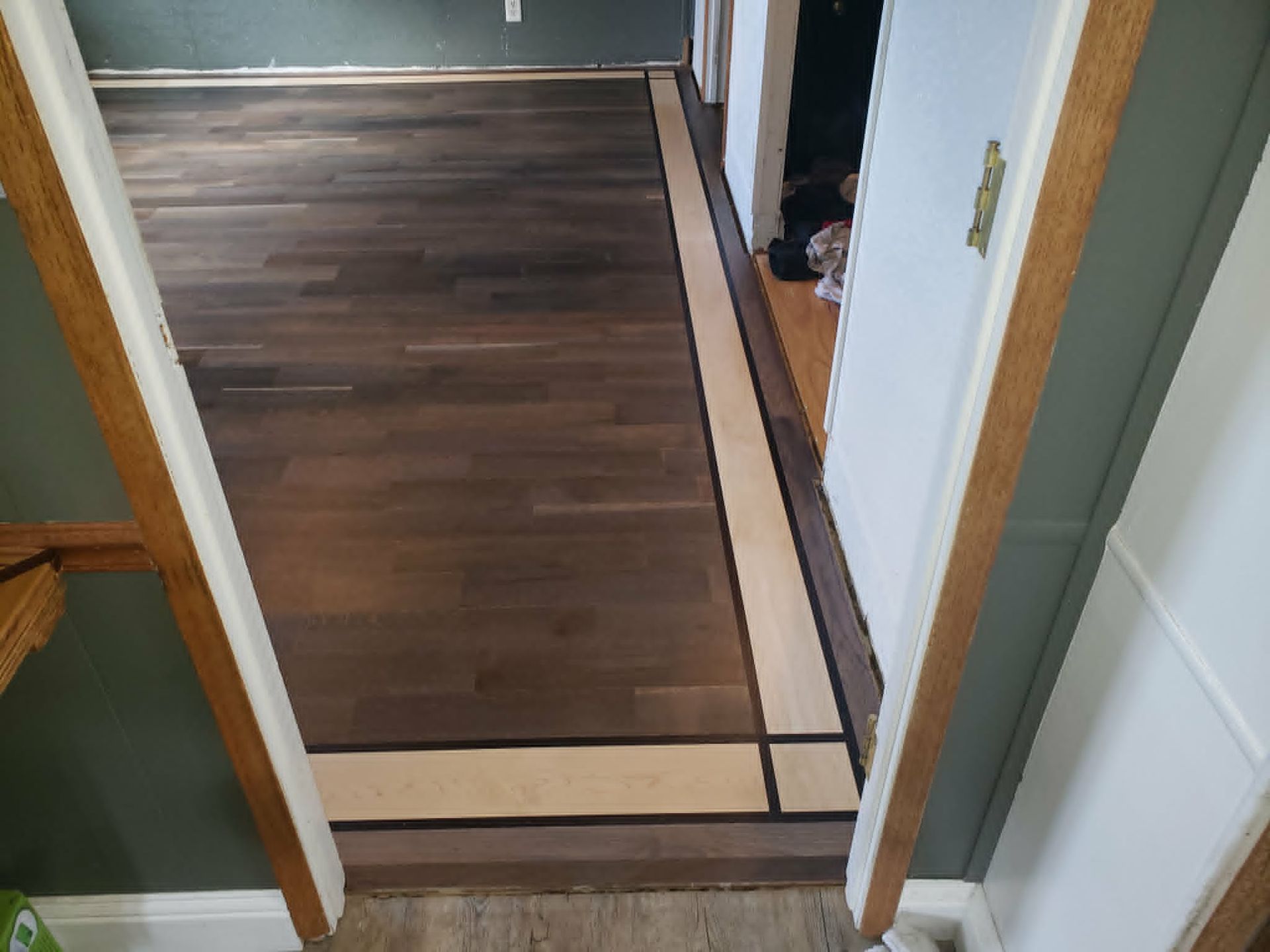
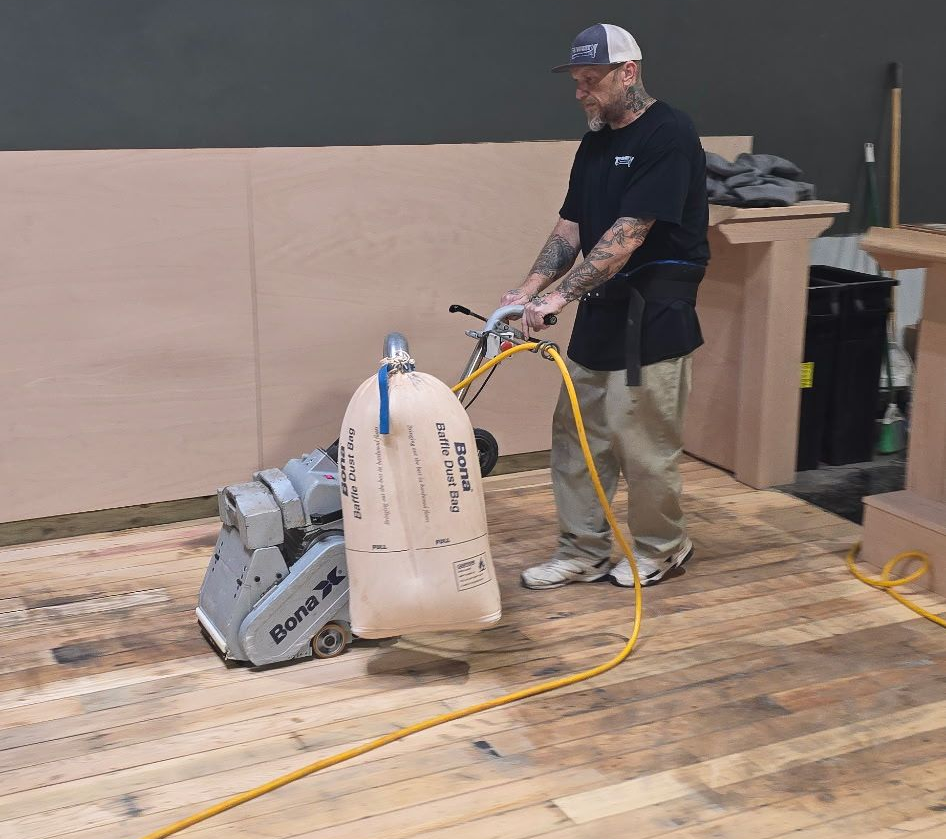
That is why hardwood floor refinishing can make such a dramatic difference. Sanding removes the worn top layer and gives the wood a chance to show itself again. Once the floor is properly sanded, stained, sealed, and finished, it can look and feel completely different.
Sometimes homeowners think they need new flooring when what they really need is the right refinishing process.
Signs Your Hardwood Floors May Be Worth Restoring
Old hardwood floors may be worth saving if the boards are still solid, mostly flat, and securely attached. If the damage is mainly scratches, dullness, fading, or worn finish, there is a good chance refinishing can help.
Floors that are worth restoring often have:
Surface scratches, faded color, dull finish, worn traffic areas, light staining, old orange or yellow tones, small gaps, minor board damage, or a tired appearance without major structural issues.
If the floor still feels solid under your feet, that is a good sign. A floor does not need to look perfect to be restorable. It needs enough good wood left to work with.
The Beauty May Be Hiding Under the Wear
One of the best things about hardwood is that it can often be renewed instead of thrown away.
Under years of old finish, dirt, scratches, and sun fading, there may still be beautiful grain, color, and character waiting to come back. This is especially true in older homes where the hardwood was originally installed with better material than many modern replacement products.
Older hardwood can have a richness that is hard to duplicate. The boards may have more character, deeper grain, and a feeling that fits the home better than a brand-new surface would.
That does not mean every floor can be saved. But it does mean old hardwood deserves a closer look before it is covered up.
When Refinishing Makes Sense
Hardwood floor refinishing makes sense when the main problem is the surface.
If the finish is worn, the floor looks dull, or the color feels outdated, refinishing can help bring back warmth and beauty without replacing the entire floor.
Refinishing may be the right choice if you want to:
Remove scratches, update the color, smooth out worn areas, bring back shine or depth, remove old finish, refresh a tired room, or keep the original character of the home.
A refinished hardwood floor can make the whole space feel cleaner, warmer, and more finished. It can also help preserve the value of the home by keeping real hardwood in place.
When Repair Should Come Before Refinishing
Sometimes an old hardwood floor is worth saving, but it needs repair before refinishing.
This can include replacing damaged boards, addressing loose areas, fixing certain gaps, working on stained sections, or correcting problem spots before sanding and finishing begin.
Hardwood floor repair is often part of the restoration process. It helps protect the final result so the floor does not just look better, but also feels better underfoot.
Repair may be needed if you have:
Water-damaged boards, deep pet stains, cracked boards, loose sections, soft spots, squeaks, uneven areas, or isolated damage that stands out from the rest of the floor.
The goal is to save what can be saved while making smart choices about the areas that need attention.
When Old Hardwood May Not Be Worth Saving
There are times when replacement is the better choice.
If the wood is too thin from previous sanding, badly warped, severely water damaged, rotted, unstable, or poorly installed, refinishing may not be enough. Some floors have simply reached the end of what they can safely and beautifully give.
Replacement may be the better option if:
The floor has major cupping or buckling, deep damage through the boards, widespread rot, severe water damage, too many thin areas, large sections missing, or structural problems under the flooring.
In these cases, installing new hardwood, engineered hardwood, or another flooring option may be the better long-term investment.
Do Not Cover Hardwood Too Quickly
One common mistake is covering old hardwood with carpet, laminate, or vinyl before finding out what condition the wood is actually in.
Sometimes people cover hardwood because it looks rough, not because it is truly beyond repair. Years later, someone pulls up the covering and discovers the original wood still had beauty underneath.
If your home has existing hardwood, it is worth having it looked at before making a final decision. You may have a floor that can be refinished, repaired, or restored into something that feels completely new again.
Real hardwood brings a warmth that is hard to replace. When it can be saved, it is often worth saving.
Think About the Home, Not Just the Floor
The right decision is not only about the condition of the wood. It is also about the home itself.
Some older hardwood floors belong to the house in a way that newer materials may not. They match the age, character, layout, and feeling of the space. Restoring them can help preserve that connection.
Other homes may be ready for a new direction. A different wood species, plank width, color, or flooring style may fit better with a remodel or updated design.
A good flooring decision should consider how the home lives, how the rooms feel, and what the homeowner wants to enjoy for years to come.
Why Experience Matters With Older Hardwood Floors
Old hardwood floors require patience and understanding.
Every floor has its own history. The wood species, age, finish, previous repairs, moisture exposure, and sanding history all matter. Knowing what can be restored and what should be replaced takes real flooring experience.
At High Sierra Hardwoods, Michael Tippon brings 30 years of hands-on knowledge to hardwood floor refinishing, sanding, finishing, repair, and installation. His Certified Professional Wood Flooring Sales background also helps customers understand product options, finishes, durability, and long-term value.
That matters because the best answer is not always the most expensive answer. It is the answer that fits the floor, the home, and the customer.
Questions Homeowners Often Ask
Many homeowners wonder if scratches can be sanded out. In many cases, surface scratches can be improved or removed during refinishing. Deeper scratches may require more careful attention.
People also ask if pet stains can be fixed. Some lighter stains can be improved, but deeper stains may need board replacement or blending.
Another common question is whether old hardwood can be made a different color. Often, yes. Sanding and refinishing can allow for a new stain or finish direction, depending on the wood and condition of the floor.
Homeowners also ask if refinishing is cheaper than replacing. In many cases, refinishing can be more cost-effective than full replacement, but it depends on the condition of the floor and the repairs needed.
Serving Sonora and Surrounding Foothill Communities
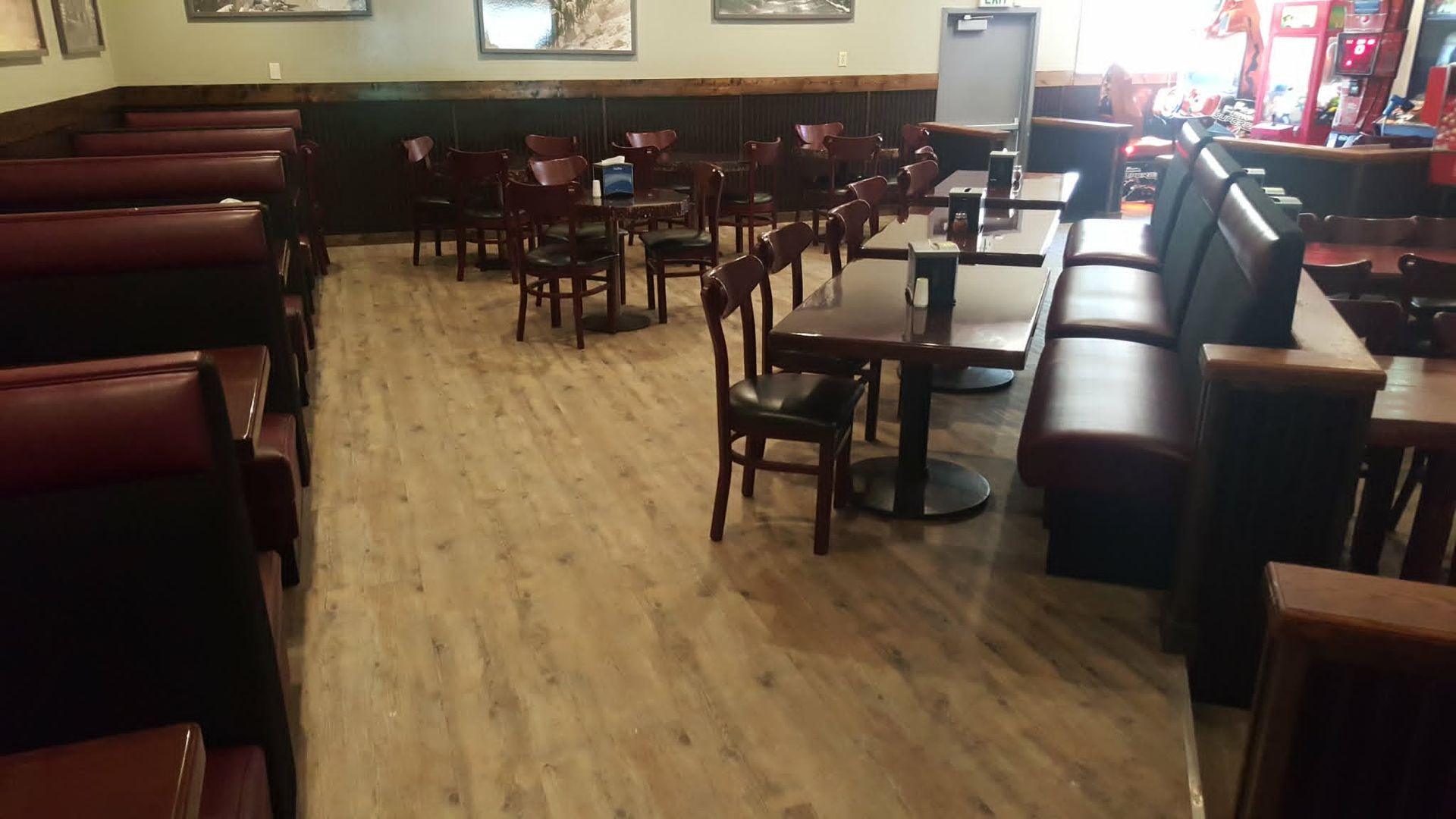
High Sierra Hardwoods helps homeowners and businesses with hardwood floor restoration, floor refinishing, sanding, finishing, repair, and replacement throughout Sonora, Tuolumne County, Calaveras County, Mariposa County, and surrounding foothill communities.
Whether your floor needs a full refinish, a few repaired boards, a new color, or an honest opinion about whether it is worth saving, we can help you understand the best next step.
Final Thoughts
Old hardwood floors do not need to be perfect to be worth saving.
They may be scratched, dull, faded, stained, or worn down and still have beauty left underneath. With the right refinishing, sanding, repair, and finish work, they can often become one of the best features in the home again.
Before you cover them up or tear them out, take a closer look.
Your old hardwood floors may still have a beautiful story left.